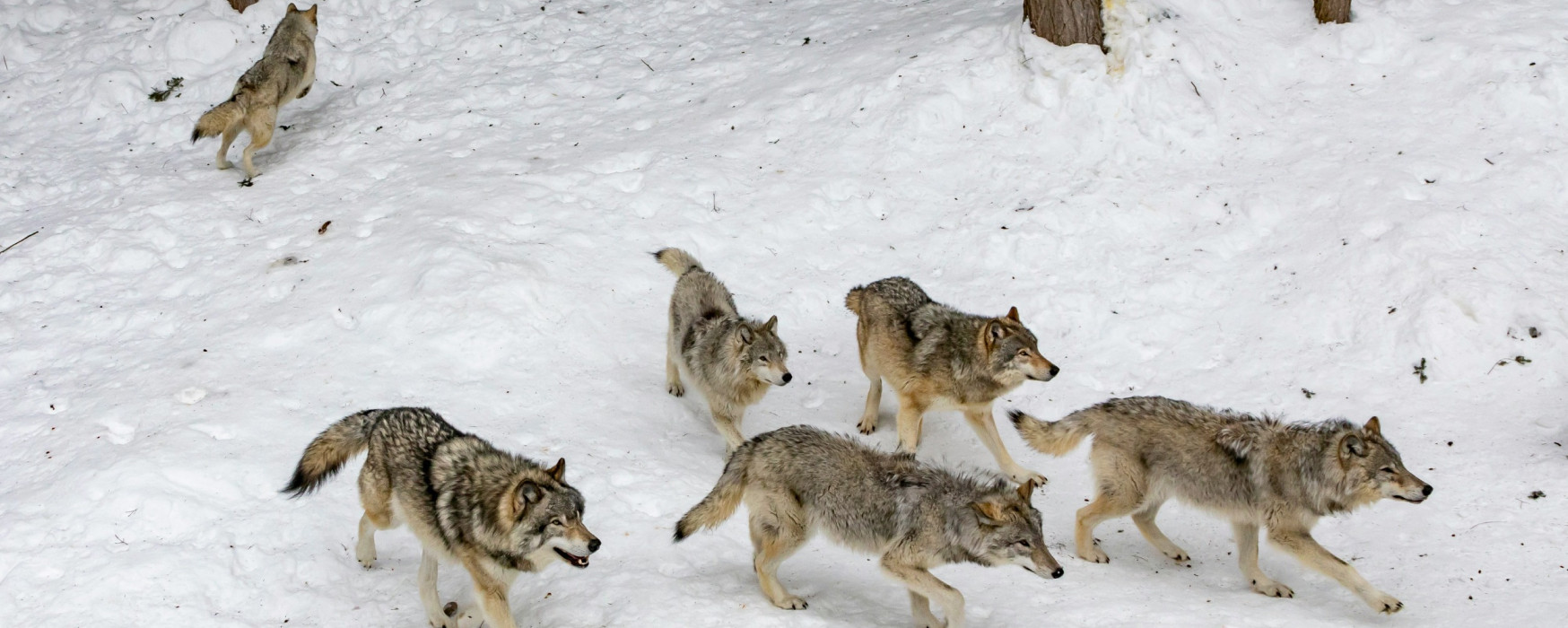
Wolf Conservation in the Nordic Countries
The Nordic countries, comprising Sweden, Norway, Finland, Denmark, and Iceland, are home to diverse ecosystems and wildlife. Among these species, wolves hold a significant place as apex predators. However, their conservation has been a topic of ongoing debate and challenge. In this article, we explore the importance of wolf conservation, the current status of wolf populations, and the efforts being made to ensure their survival in the Nordic region.
The Role of Wolves in Ecosystems
Wolves play a critical role in maintaining the health and balance of ecosystems. As top predators, they help control populations of herbivores such as deer and moose, preventing overgrazing and promoting biodiversity. By influencing prey behavior, wolves indirectly contribute to the growth of vegetation and the stability of other wildlife populations.
Current Status of Wolf Populations
Sweden
Sweden hosts one of the largest wolf populations in the Nordic region, with approximately 400 wolves. Most are found in central and southern parts of the country. Despite legal protections, illegal hunting remains a significant threat.
Norway
Norway has a smaller and more tightly managed wolf population, with around 80-100 wolves. The government maintains strict population control policies, including controversial licensed hunts to protect livestock.
Finland
Finland’s wolf population stands at about 300 individuals. The country faces challenges similar to Sweden, including poaching and conflicts with rural communities.
Denmark
Wolves have recently returned to Denmark after a 200-year absence. A small but growing population is now established, primarily in Jutland.
Iceland
Iceland does not have a native wolf population, as the island's geography and climate have historically been unsuitable for wolves.
Conservation Challenges
Wolf conservation in the Nordic countries faces several challenges, including:
- Human-Wildlife Conflict: Wolves occasionally prey on livestock, leading to tensions with farmers and rural communities.
- Illegal Hunting: Poaching remains a significant threat, undermining conservation efforts.
- Public Perception: Fear and misconceptions about wolves persist, influencing policy decisions.
- Habitat Fragmentation: Urbanization and infrastructure development reduce the availability of suitable habitats for wolves.
Conservation Efforts
Legal Protections
Wolves are protected under national and international laws, including the EU Habitats Directive. These regulations prohibit the hunting of wolves except under specific circumstances.
Monitoring and Research
Conservation organizations and government agencies conduct extensive monitoring of wolf populations. GPS tracking, genetic analysis, and field studies help gather data to inform management strategies.
Compensation Programs
To reduce conflicts with farmers, compensation programs provide financial reimbursement for livestock losses attributed to wolves.
Public Awareness Campaigns
Education initiatives aim to dispel myths about wolves and highlight their ecological importance. By fostering a better understanding, these campaigns seek to build public support for conservation.
Cross-Border Cooperation
Given that wolf populations often cross national borders, cooperation between Nordic countries is essential. Joint research projects and coordinated conservation strategies help address shared challenges.
The Path Forward
Balancing wolf conservation with the interests of rural communities requires a collaborative and adaptive approach. Engaging stakeholders, promoting coexistence strategies, and strengthening legal protections are critical steps toward ensuring the long-term survival of wolves in the Nordic region.
By recognizing the ecological importance of wolves and addressing the challenges they face, the Nordic countries can set an example for effective and sustainable wildlife conservation.